Public Interest Statement Regarding My Experience Before Justice Meagher
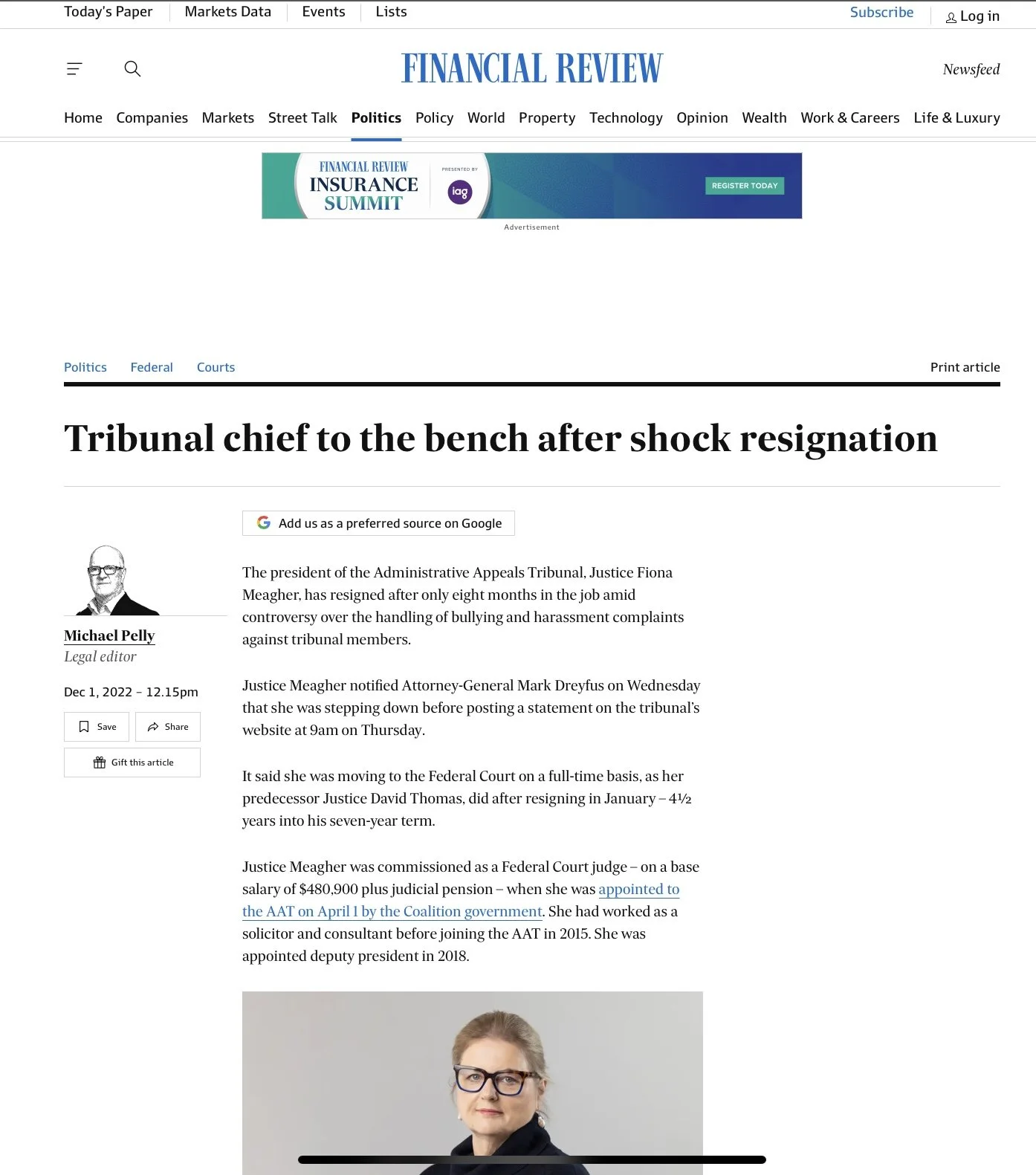
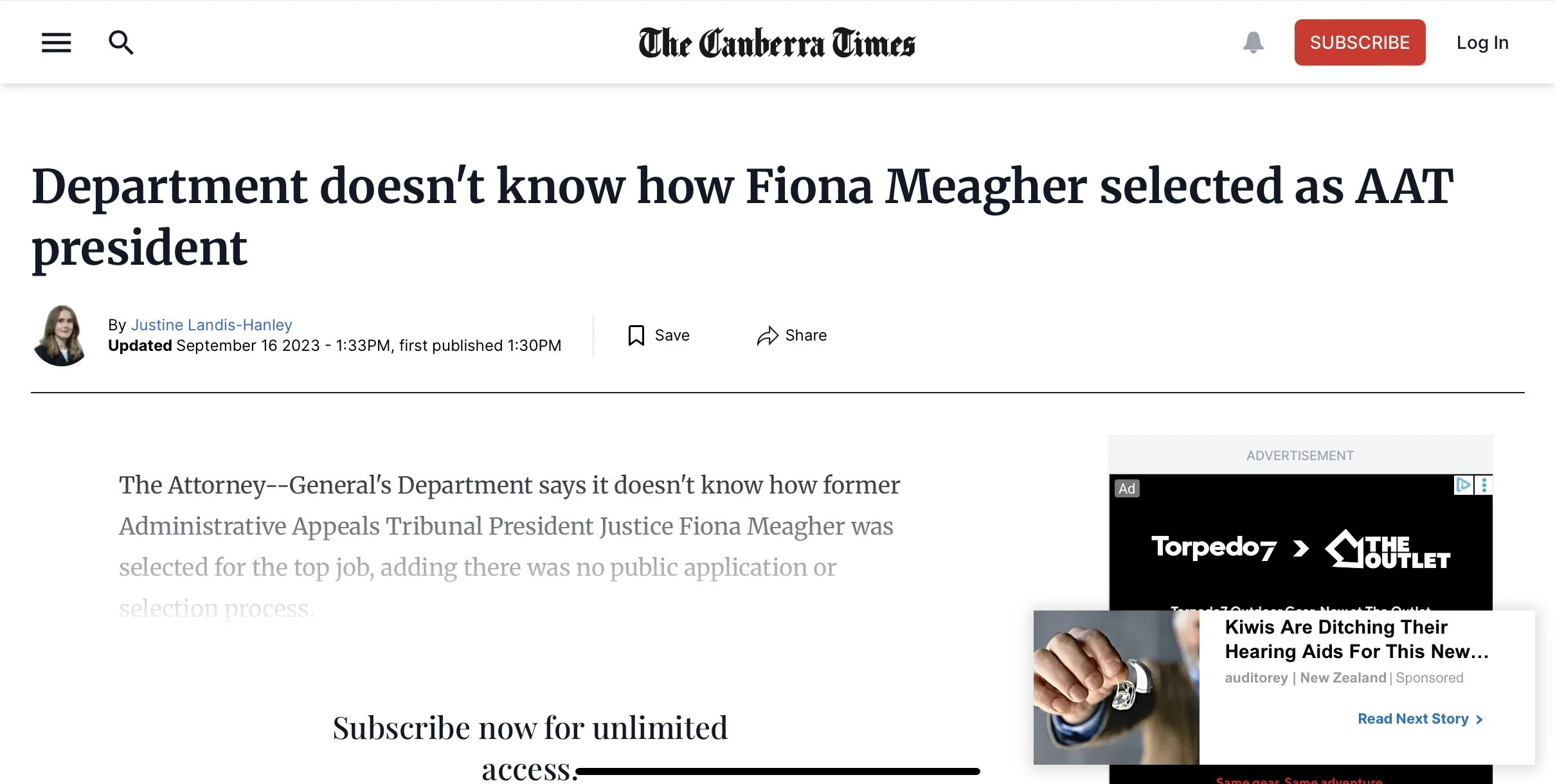
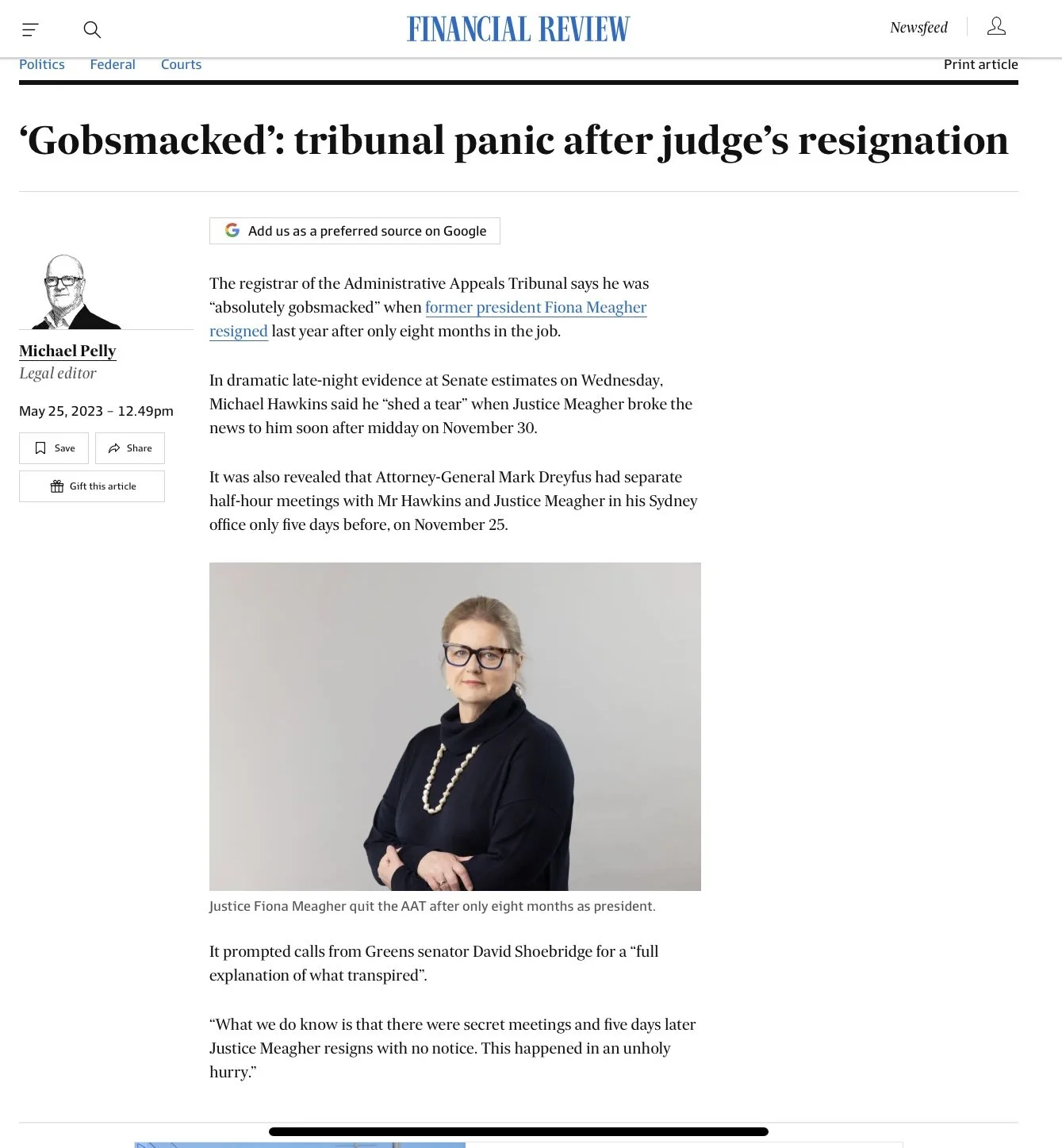
I wish to place on record serious concerns regarding my experience as a self-represented litigant in proceedings before Justice Meagher in the Federal Court of Australia, culminating in the decision delivered on 29 April 2026 in Reeve v Chartered Accountants Australia and New Zealand (No 3) [2026] FCA 518.
My concerns do not arise simply because I disagreed with the outcome. They arise from what I say was a sustained pattern of procedural unfairness, unequal treatment, and failure to properly engage with evidence and legitimate issues raised throughout the proceeding.
1. Failure to Ensure Equal Justice for a Self-Represented Litigant
I appeared without legal representation against respondents represented by experienced solicitors and counsel. Rather than receiving a genuinely level playing field, I experienced repeated technical and procedural barriers in attempting to place my evidence before the Court.
These included:
- difficulties filing substantial evidence material;
- repeated emphasis on procedural compliance over substance;
- limited practical assistance despite obvious imbalance of resources;
- hearings proceeding in circumstances where I was distressed and disadvantaged.
A judge’s role includes ensuring fairness, not merely enforcing formality.
2. Evidence Concerns Were Dismissed Rather Than Examined
I repeatedly raised concerns that relevant evidence had been withheld, inaccessible, or not properly considered. Rather than investigating whether those concerns had merit, the Court characterised them as speculative or irrelevant.
This creates a serious problem: where a litigant says they cannot access material necessary to prove their case, dismissing the concern because they cannot prove it without the material is circular and unjust.
3. Unequal Treatment of Parties
My perception throughout the matter was that the respondents’ materials and procedural positions were accepted readily, while my own efforts were met with resistance, criticism, or delay.
This included adverse media material being allowed into affidavit evidence while my objections and concerns were minimised.
Even if unintended, justice must be seen to be done.
4. Recusal Decision of 29 April 2026
The judgment dismissing my recusal application relied heavily on formal legal principles while failing to grapple with the cumulative reality of what had occurred.
The issue was not one isolated event. It was the repeated pattern of:
- rulings operating to my disadvantage;
- lack of transparency;
- failure to engage with evidence concerns;
- disproportionate emphasis on my conduct as a self-represented litigant;
- practical alignment with the respondents’ case-management interests.
A fair-minded observer may reasonably question whether impartiality was adequately maintained.
5. Public Confidence in the Judiciary
Judges hold enormous power. Where that power appears to favour represented institutional parties over ordinary litigants, confidence in the legal system is damaged.
Courts must not only be impartial—they must appear impartial.
6. Why This Matters Beyond My Case
My concern is not only personal. If self-represented litigants with serious evidence concerns are met with procedural obstruction, inaccessible processes, and dismissive reasoning, then the justice system risks becoming inaccessible except to the wealthy and represented.
7. Why Review Is Needed
In my view, the conduct of this matter warrants scrutiny through:
- appeal processes;
- administrative review mechanisms;
- broader examination of treatment of self-represented litigants; and
- public discussion regarding accountability in judicial case management.
8. Final Position
I believe I was denied a genuinely fair opportunity to be heard. The decision of 29 April 2026 has only deepened that concern.
For justice to maintain legitimacy, no judge should be beyond scrutiny.
Public Interest Statement Regarding My Experience Before Justice Meagher
I wish to place on record serious concerns regarding my experience as a self-represented litigant in proceedings before Justice Meagher in the Federal Court of Australia, culminating in the decision delivered on 29 April 2026 in Reeve v Chartered Accountants Australia and New Zealand (No 3) [2026] FCA 518.
My concerns do not arise simply because I disagreed with the outcome. They arise from what I say was a sustained pattern of procedural unfairness, unequal treatment, and failure to properly engage with evidence and legitimate issues raised throughout the proceeding.
1. Failure to Ensure Equal Justice for a Self-Represented Litigant
I appeared without legal representation against respondents represented by experienced solicitors and counsel. Rather than receiving a genuinely level playing field, I experienced repeated technical and procedural barriers in attempting to place my evidence before the Court.
These included:
- difficulties filing substantial evidence material;
- repeated emphasis on procedural compliance over substance;
- limited practical assistance despite obvious imbalance of resources;
- hearings proceeding in circumstances where I was distressed and disadvantaged.
A judge’s role includes ensuring fairness, not merely enforcing formality.
2. Evidence Concerns Were Dismissed Rather Than Examined
I repeatedly raised concerns that relevant evidence had been withheld, inaccessible, or not properly considered. Rather than investigating whether those concerns had merit, the Court characterised them as speculative or irrelevant.
This creates a serious problem: where a litigant says they cannot access material necessary to prove their case, dismissing the concern because they cannot prove it without the material is circular and unjust.
3. Unequal Treatment of Parties
My perception throughout the matter was that the respondents’ materials and procedural positions were accepted readily, while my own efforts were met with resistance, criticism, or delay.
This included adverse media material being allowed into affidavit evidence while my objections and concerns were minimised.
Even if unintended, justice must be seen to be done.
4. Recusal Decision of 29 April 2026
The judgment dismissing my recusal application relied heavily on formal legal principles while failing to grapple with the cumulative reality of what had occurred.
The issue was not one isolated event. It was the repeated pattern of:
- rulings operating to my disadvantage;
- lack of transparency;
- failure to engage with evidence concerns;
- disproportionate emphasis on my conduct as a self-represented litigant;
- practical alignment with the respondents’ case-management interests.
A fair-minded observer may reasonably question whether impartiality was adequately maintained.
5. Public Confidence in the Judiciary
Judges hold enormous power. Where that power appears to favour represented institutional parties over ordinary litigants, confidence in the legal system is damaged.
Courts must not only be impartial—they must appear impartial.
6. Why This Matters Beyond My Case
My concern is not only personal. If self-represented litigants with serious evidence concerns are met with procedural obstruction, inaccessible processes, and dismissive reasoning, then the justice system risks becoming inaccessible except to the wealthy and represented.
7. Why Review Is Needed
In my view, the conduct of this matter warrants scrutiny through:
- appeal processes;
- administrative review mechanisms;
- broader examination of treatment of self-represented litigants; and
- public discussion regarding accountability in judicial case management.
8. Final Position
I believe I was denied a genuinely fair opportunity to be heard. The decision of 29 April 2026 has only deepened that concern.
For justice to maintain legitimacy, no judge should be beyond scrutiny.