My Experience with the Fair Work Commission (FWC)
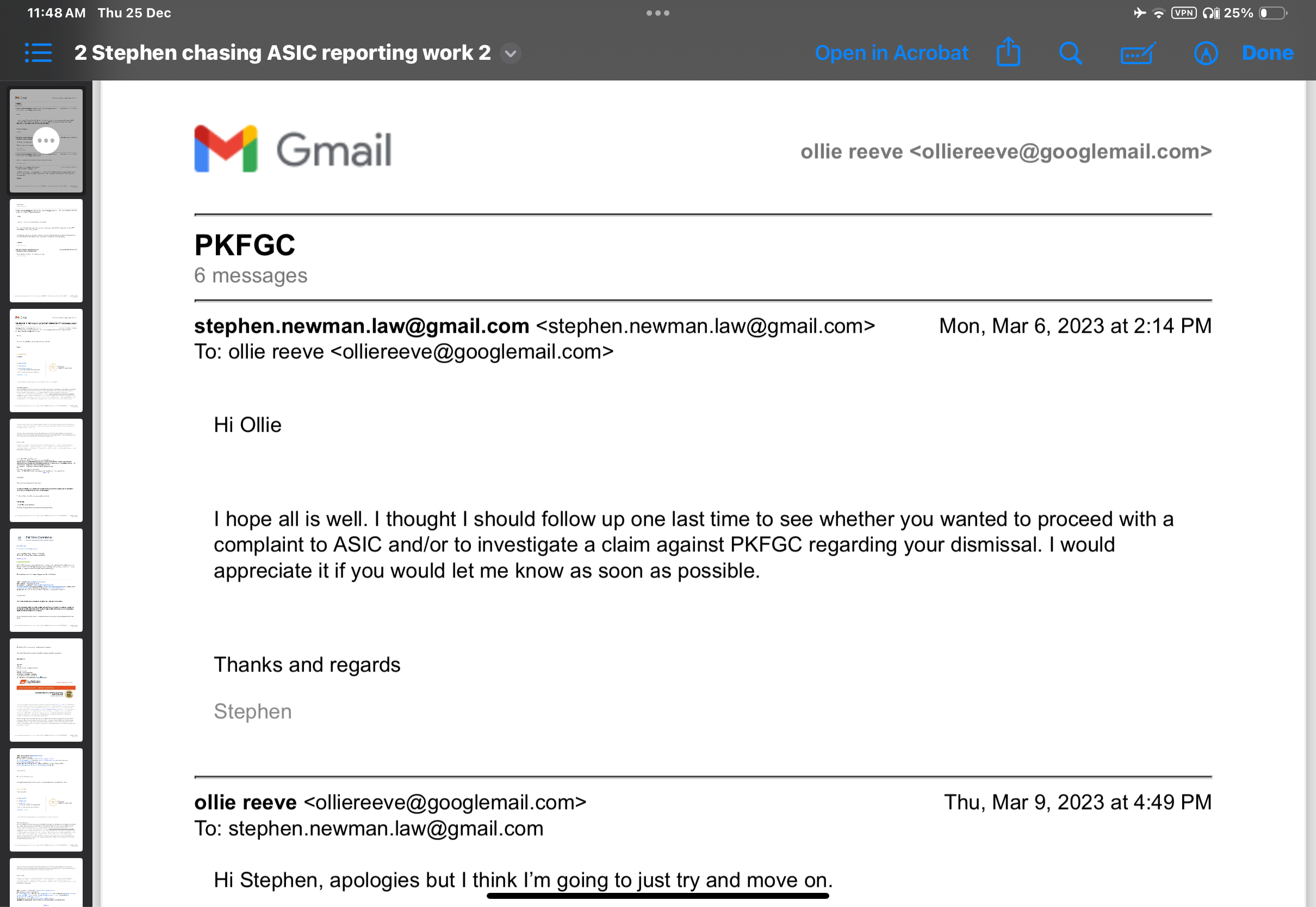
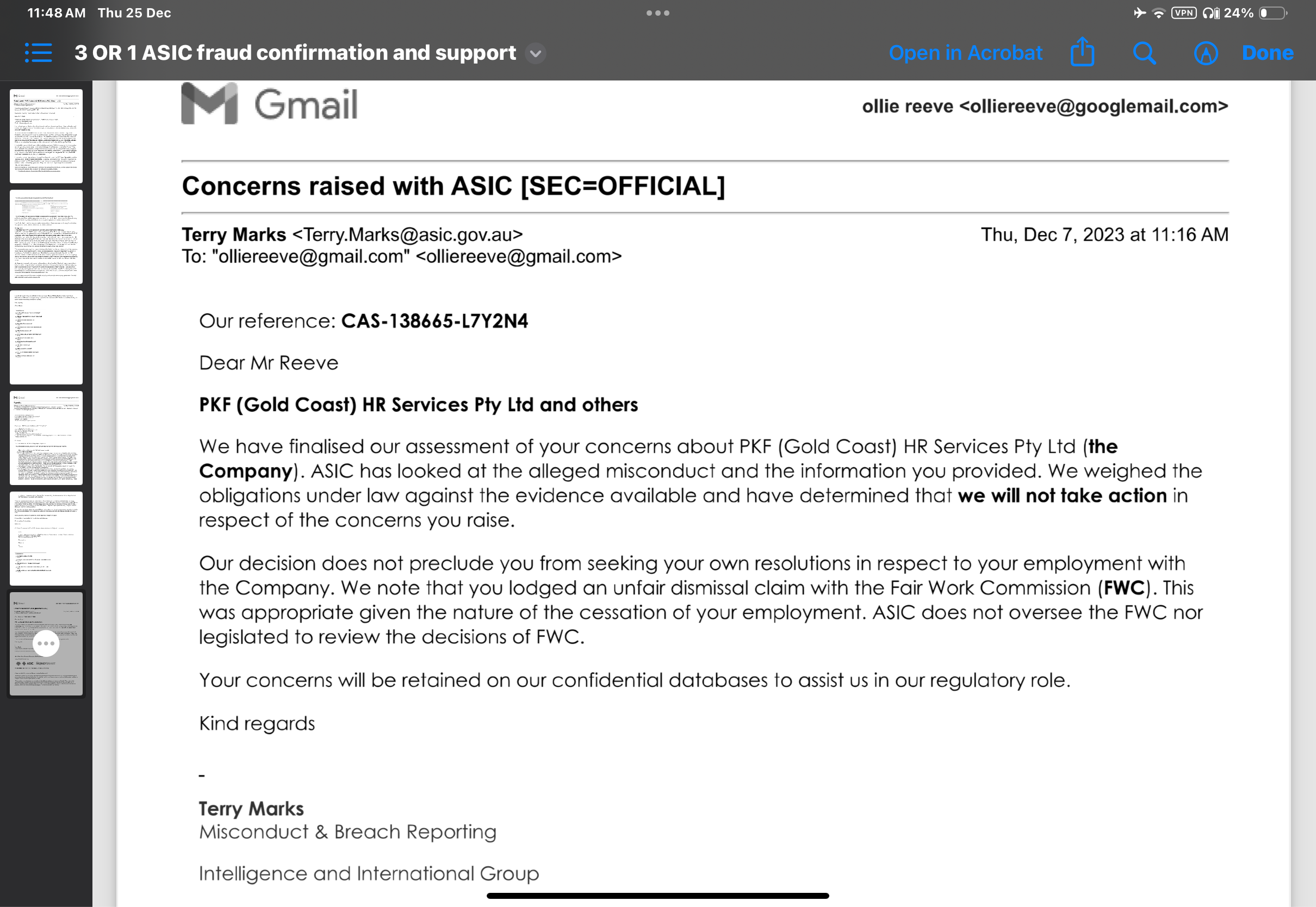
My dealings with the Fair Work Commission arose from a well-evidenced application involving whistleblower activity, retaliation, and serious corporate misconduct. Crucially, my application was formally supported in writing by ASIC, confirming that the concerns raised were credible, within ASIC’s remit, and based on substantive evidence.
Despite this, the handling of my matter by the FWC departed markedly from accepted standards of procedural fairness, independence, and integrity.
ASIC Support and Evidentiary Basis
ASIC provided written confirmation supporting the legitimacy of my application and the public-interest nature of the disclosures. The evidence before the Commission included contemporaneous documents, regulator correspondence, financial records, and sworn material. At no stage was the application frivolous, vexatious, or unsupported. Nevertheless, this support was minimised, ignored, or procedurally sidelined by the Commission.
Conduct of Decision-Makers
Serious concerns arise from the actions of multiple FWC officials, including Adam Hatcher, Chris Simpson, Bell, and Beaumont.
Across different stages of the proceedings, the following issues were observed and documented:
• Procedural obstruction: Evidence was excluded or discounted without adequate reasons, while respondents were afforded latitude not extended to me.
• Unfair handling of extensions of time: Applications were determined inconsistently and without proper consideration of the evidentiary record or the context of whistleblower retaliation.
• Suppression of regulator involvement: ASIC’s written support was not given appropriate weight and, at times, was effectively treated as irrelevant.
• Apparent bias and predetermination: Decisions and conduct suggested conclusions were reached without a full and fair consideration of the evidence.
• Administrative misconduct: FWC administrative staff engaged in conduct that impeded access to information, mischaracterised filings, and restricted my ability to properly prosecute the case.
Systemic Failure
The cumulative effect of these actions was to deny a fair hearing in a matter involving serious allegations of corporate fraud and retaliation. Rather than acting as an independent forum to test evidence, the FWC process functioned to shield respondents from scrutiny, neutralise whistleblower protections, and prevent the substantive issues from being adjudicated on their merits.
Why This Matters
When a tribunal tasked with protecting workplace rights and public-interest disclosures disregards regulator support, mishandles evidence, and tolerates conflicted or unfair processes, the harm extends beyond one case. It undermines confidence in the rule of law and signals to whistleblowers that institutional protection outweighs truth and evidence.
This website documents my experience with the FWC to ensure that the public record reflects what occurred—and to demonstrate how procedural abuse can be used to suppress legitimate accountability.
Recordings of the bias and fraudulent hearings conducted by the criminal fool Christopher Simpson
https://drive.google.com/file/d/19XZ83suzt9tvqX4XpHsCpGxIiACWhXhJ/view?usp=sharing - Recording of Simpson’s fraudulent hearing 8th May 2023
https://drive.google.com/file/d/19XZ83suzt9tvqX4XpHsCpGxIiACWhXhJ/view?usp=sharing - Recording of Simpson’s fraudulent hearing 9 May 2023